

Getting older does not mean the end of passion.
Many older adults remain sexually active during their golden years, but what they mean by “sex” can vary.
To study this point, a study was published in Journal of Sexuality Research examined what activities older adults consider sexual and how different definitions affect their sexual well-being. The findings highlight the need for a more flexible approach to measuring sexual activity, which could impact health care and sex education practices.
A closer look at the sexuality of older people
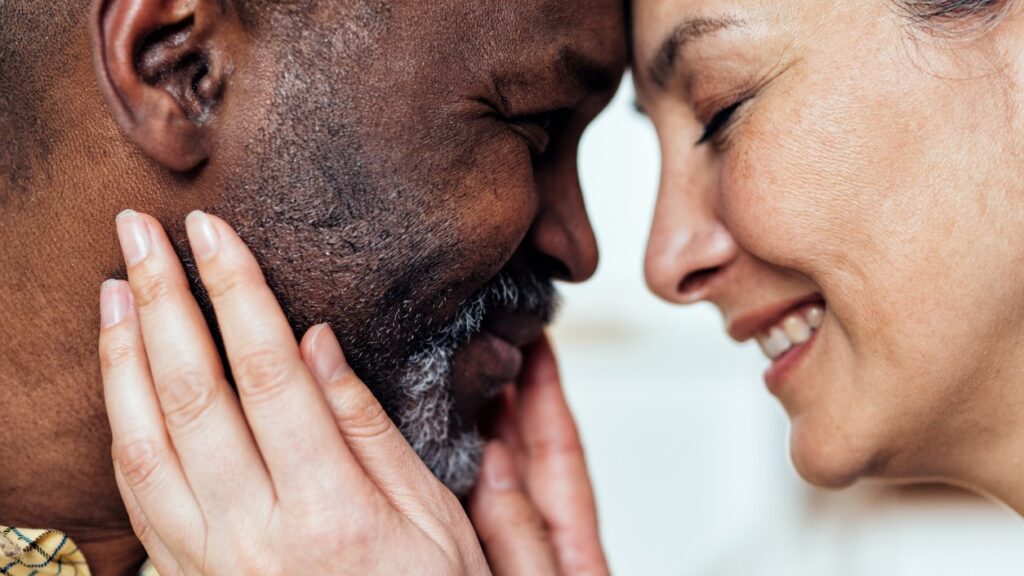
To explore older people’s sexuality, researchers recruited 286 adults aged 60 or older.
Of these, 51% identified as women and 49% as men. Most were Caucasian, heterosexual, and in long-term committed relationships.
Participants were given a list of 19 sexual activities and asked which of them would be considered “having sex.” This included vaginal intercourse, various forms of genital contact, hugging and cuddling, and intimate kissing.
In addition to demographic information, participants also shared details about their recent sexual activity, sexual well-being, and general health.
Researchers assessed sexual well-being by assessing sexual difficulties, satisfaction, functioning, and stress. They also examined whether gender definitions were related to gender as well as frequency of sexual activity and behavioral orientation.
Insights into sex after 60
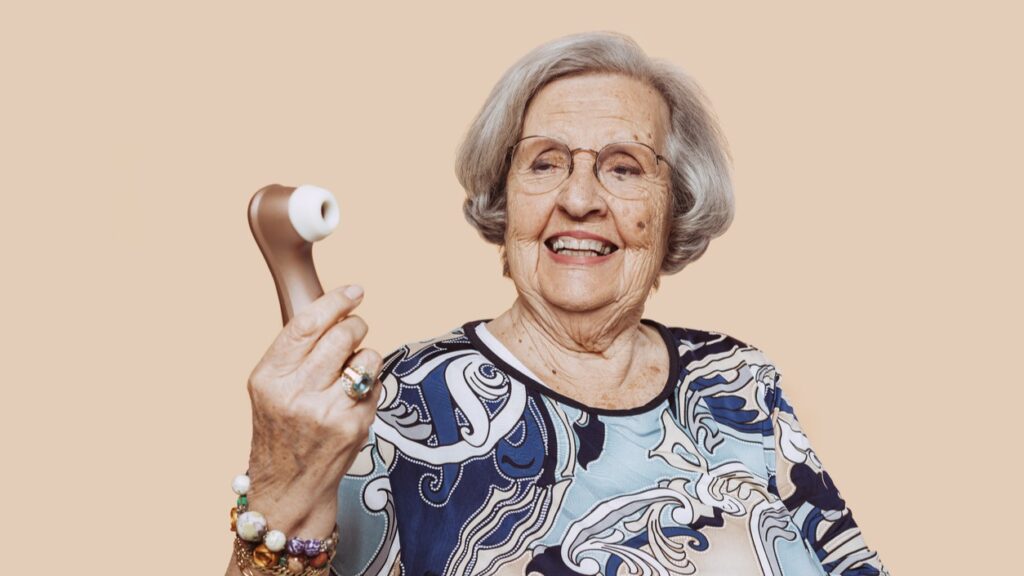
Older people have different views on what actually constitutes sex after 60.
People who frequently engaged in an activity were more likely to view it as sex. However, this did not include cuddling and cuddling, telephone masturbation, and penetrative sex (vaginal or anal).
Overall, the study found no significant differences depending on whether the person was the performer or recipient of sexual activity.
What did seniors think about sex?
Penetration acts 
- Vaginal intercourse: considered sexual by 93% of participants
- Short or partial sexual intercourse: 82%
- Anal intercourse: 63%
Genital contact
- Oral-genital contact: considered sexual by 68% of performers and 71% of recipients
- Hand-genital contact: 63%
- Non-penetrative genital-to-genital contact: 51%
- Use of sexual aids such as sex toys and vibrators: 49%
Simultaneous masturbation
- In mutual presence: 36%
- On the phone: 21%
- By computer: 21%
Non-genital touching
- Oral contact with breasts or nipples: considered sexual by 24% of performers and 21% of recipients
- Manually touching the breasts or nipples: 20% of performers and 21% of recipients
- Hugs and cuddles: 12%
- Deep kisses: 11%
Sexual well-being
Based on how older adults define gender, researchers have identified five main groups.
The largest group (30%) considered penetrative and non-penetrative genital activities to be sex. Another 20% counted all acts involving the genitals, including masturbation.
About 17% included all activities, including those not involving the genitals, while 16% considered only acts of penetration to be sexual acts. The smallest group (11%) confirmed affectionate behavior, genital contact, and penetrative sex, but not masturbation.
Comparing the groups, the researchers found no differences in gender or health status. Nonetheless, they found slight differences in sexual well-being.
To the authors’ surprise, participants who defined sex more narrowly (as simply penetrative) had fewer problems with sexual desire.
Participants who viewed all sexual activities as sex (except masturbation) reported higher orgasmic satisfaction and overall sexual satisfaction. Specifically, this group performed better than those who only recognized penetrative or genital activity as sex.
This suggests that sexual well-being may be associated with greater openness to various activities rather than a flexible definition of what counts as sex.
Rethinking sex after 60

In the eyes of older people, sex is not just penetration, but a series of intimate activities.
Yet participants most often viewed acts of penetration as sex. This is followed by non-penetrative genital contact, masturbation, and non-genital contact such as kissing or cuddling.
These diverse perspectives are important for improving health care and research in older adults. Since some may not consider penetration necessary for an intimate activity to count as sex, the assessment of sexual function should not be based solely on this basis.
Additionally, more research is needed to understand why older adults have different views on gender. To accurately capture these nuances, scientists must refine their methods of measuring sexual activity. The authors also encourage this group to further explore online sexual relationships with partners.
The sexuality of older people is not easy to name, let’s look at it in more detail!
Image sources: iStock
This article was originally published on The Shaw.