
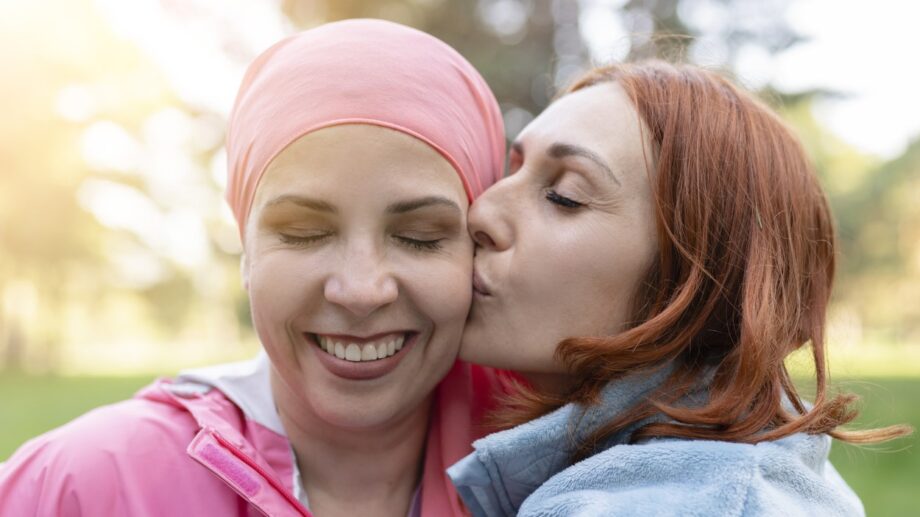
“It’s a unique form of grief and I wish I had more space to talk about it with other queer people,” says a 38-year-old queer woman coping with the effects of cancer treatment.
She feels alienated from her body and others, describing it as “a constant struggle to not feel broken and separate from the wonderful sexual cultures I was once a part of.” This contributes to feelings of cultural/social isolation AND feelings of not belonging in my own body. »
These strong assertions come from a study conducted The Journal of Sex Research reveal the unique challenges lesbian, gay, bisexual, transgender, queer, and intersex (LGBTQI) people face after cancer.
Cancer doesn’t just affect physical health; It can also change a person’s self-perception, intimacy, and identity within the LGBTQI community. By presenting comprehensive trends and personal stories, this study lays the foundation for a more comprehensive and supportive approach to cancer care for sexual minorities.
Queering cancer research
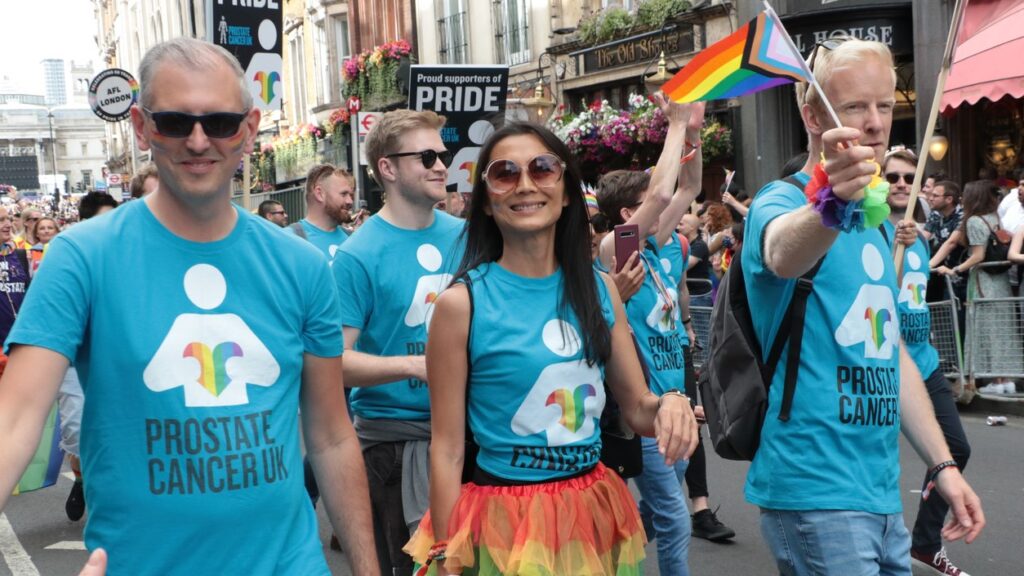
The sexual well-being of LGBTQI people with cancer is often overlooked.
A small but growing body of research suggests that sexual changes may have a greater impact on this population.
However, participant samples are limited. To date, most have focused on older cisgender gay and bisexual men with prostate cancer and lesbian and bisexual women with breast cancer.
The goal of this study is to expand knowledge by examining the experiences of individuals with more diverse sexual and gender identities and tumor types.
Specifically, this study examined post-cancer sexual well-being of LGBTQI cancer patients and its associations with social support, physical concerns, psychological distress, quality of life, and coping strategies. Using a mixed methods approach, 430 surveys and 103 interviews were conducted.
Participants were eligible if they had been diagnosed with cancer or had undergone cancer-related medical interventions. They had to identify as LGBTQI and be at least 15 years old.
Most participants were cisgender (84%), with 50% identifying as women and 34% as men. Another 15% identified as trans or non-binary, while 7% were intersex. Since most intersex participants identified with one of these gender groups, they were not analyzed separately due to their small numbers.
Nearly two-thirds (74%) identified as lesbian or gay, followed by bisexual (19%) and queer (11%). The majority were white (85%), older (78%) and living in Australia (72%).
Participating cancers included brain (3%), breast (24%), cervical (3%), colorectal (5%), head/neck (4%), leukemia (5%), lymphoma (7%), ovarian (5%), prostate (16%), skin (7%), and uterus (6%).
Sexual well-being after cancer
LGBTQI people experienced a significant decline in sexual well-being after cancer diagnosis and treatment. These declines are associated with lower quality of life, more physical problems, and less social support.
In fact, an analysis of six aspects of sexual well-being found that all worsened after cancer. These included physical intimacy, sexual desire, pleasure from sexual activity, ability to achieve orgasm, communication about sexual matters, and sex life.
Cisgender men reported the largest decline, followed by cisgender women and transgender people, although overall well-being did not differ by gender. Older age was also associated with greater decline among trans people.
Physical changes, identity and sexual embodiment
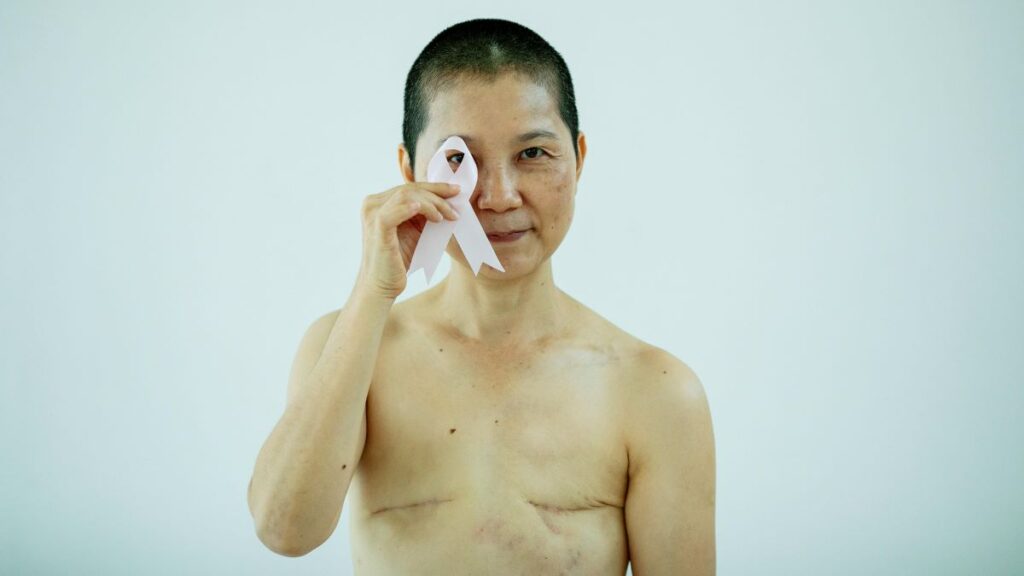
Cancer-related physical changes, such as those affecting the breasts, genitals, hormones, and bodily functions, have significant impacts on sexual embodiment and desire.
Not only did they often lead to discomfort, loss of libido and sexual dysfunction. They often lead to feelings of insecurity, isolation from their community, and a feeling of disconnection from their LGBTQI identity. Unlike the general population, this group faced a unique challenge: Post-cancer experiences often undermined their sense of being queer or trans.
After a mastectomy, many cisgender women felt “less like women” due to scarring and breast loss. Yet a 53-year-old cisgender lesbian called the procedure “liberating,” adding that she “never wanted to be shaped like a female body.”
Treatment for prostate cancer caused erectile dysfunction, penis shrinkage and loss of bladder control, leading some men to avoid sex and have suicidal thoughts. Many felt alone and invisible in their identity struggles. “I really don’t think people understand the personal, symbolic and political implications for gay men when it comes to sex,” said a 50-year-old cisgender man with prostate cancer.
Cisgender women and transgender participants reported more physical problems. However, cisgender men experienced greater negative impacts on their sexual well-being, including due to incontinence and a stoma – a surgically created opening in the body, usually in the abdomen, through which waste can flow.
Facial hair loss has also undermined the self-image of trans and gay men identified as “Bears,” a group that represents a rugged masculine aesthetic.
Coping strategies
The most common coping methods were seeking information online (63%), followed by consulting health professionals (50%), using sexual aids (49%), changing sexual practices (43%), seeking advice (40%), and joining support groups (33%).
Consulting health professionals, changing sexual practices and using sexual aids have been associated with better sexual well-being. Yet many find medical devices like vaginal dilators and treatments like pills and penile injections unappealing or ineffective because they “seem too clinical” or “interfere with spontaneity.”
In contrast, support groups, information seeking, and counseling were associated with lower sexual well-being. Specifically, transgender people who participated in support groups reported higher levels of sexual well-being, while cisgender participants experienced lower levels of well-being.
Cisgender men relied the most on various coping strategies, while transgender men were more likely to change their sexual practices.
Some participants found that seeing psychologists improved their sexual communication skills. Others have struggled to find psychological support, particularly for issues such as erectile dysfunction.
Renegotiating Sex and Intimacy After Cancer
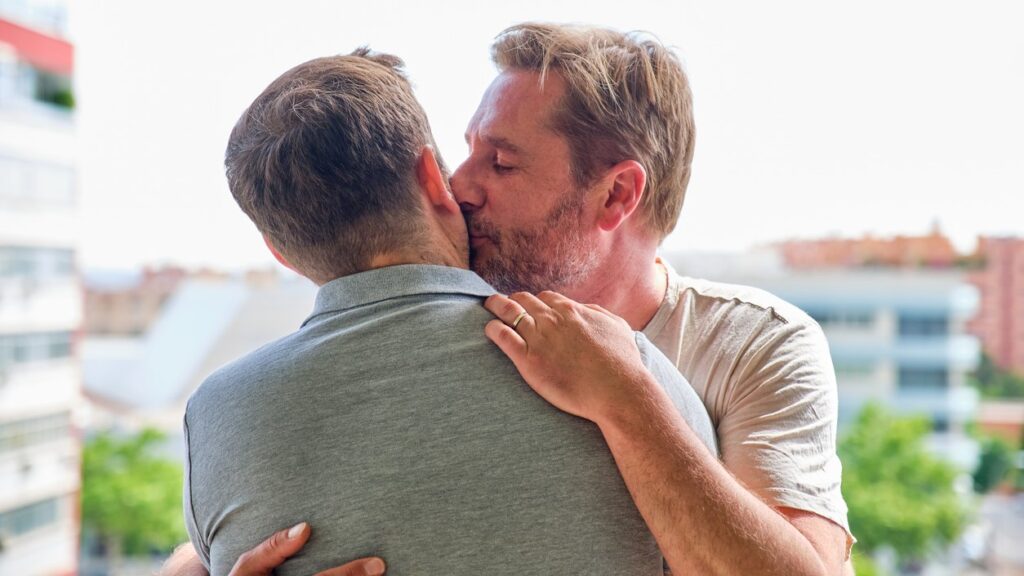
Not everyone’s sexual well-being is impaired after cancer.
Adopting and exploring different sexual practices often resulted in positive experiences. A 56-year-old queer woman said she felt “more sexual than before” after battling cancer. Some gay men also experienced sexual growth and reported being pushed to try new things and learn more about themselves.
Penetrative sex became difficult or impossible for many participants, in part because of vaginal atrophy and dryness as well as difficulty maintaining an erection. As a result, some masturbated with each other and got into trouble. Others emphasized the importance of physical and emotional intimacy, like hugs and deep conversations, as the new normal. They described these forms of closeness as satisfying and fulfilling.
Communication on sexual topics was also crucial. Couples who talked openly about their feelings found it easier to maintain physical intimacy like hugging and kissing despite a decrease in sexual activity.
Many felt that strong relationships helped them cope with these changes without compromising their commitment. Yet participants without a supportive partner reported significant negative impacts on their relationships and sex lives. They felt that their partners lacked patience and kindness with their physical changes, which put even more strain on their relationships.
Creating LGBT-Inclusive Cancer Care
Although cancer has affected all aspects of sexual well-being, the personal stories of LGBTQI people provide valuable information for better support.
For many, the physical changes disrupted their sense of sexual and gender identity and disconnected them from queer communities. However, others have experienced empowerment and validation and discovered new, enriching ways to experience intimacy.
Improved sexual well-being after cancer was associated with greater social support, fewer physical problems, and better overall quality of life. Cisgender men experienced the greatest decline in sexual well-being and were most likely to use coping strategies.
The authors call for LGBTQI cultural competency training in medical schools and continuing education for health care providers. They recommend in particular adapting the PLISSIT and BETTER supportive care models to be more inclusive of the LGBTQI community. Already widely used to promote the sexual well-being of cancer patients, they emphasize that it is health care providers who should initiate conversations about sex.
By prioritizing the sexual well-being of LGBTQI cancer patients, health systems can strengthen their dignity, agency, and right to a fulfilling intimate life. This support can help patients stay connected to themselves, their partners, and their community.
This article was originally published on The Shaw.