
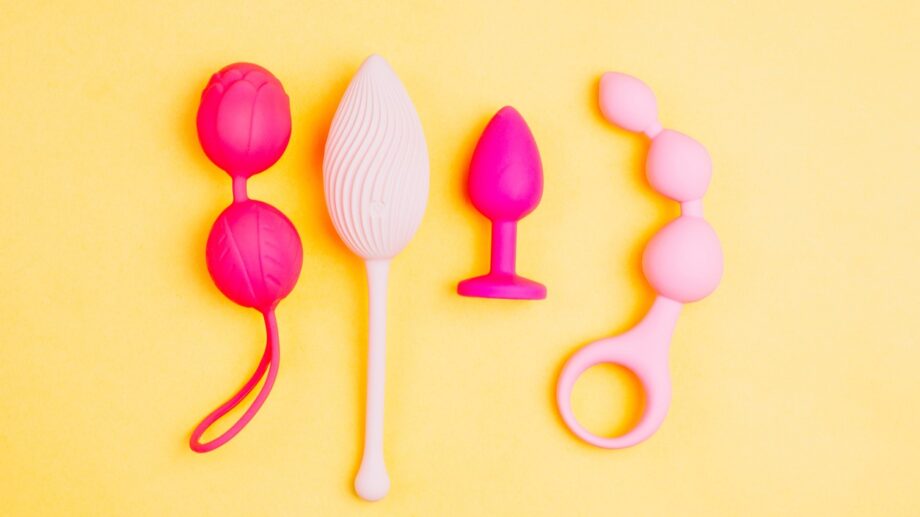
Sex toys are for everyone.
Published in The Journal of Sex ResearchA study conducted in six European countries highlights the prevalence of sex toys and the variety of popular products.
This article is part one of a three-part series and reveals information about age, gender, sexual orientation, relationship and parental status.
The study on sex toys
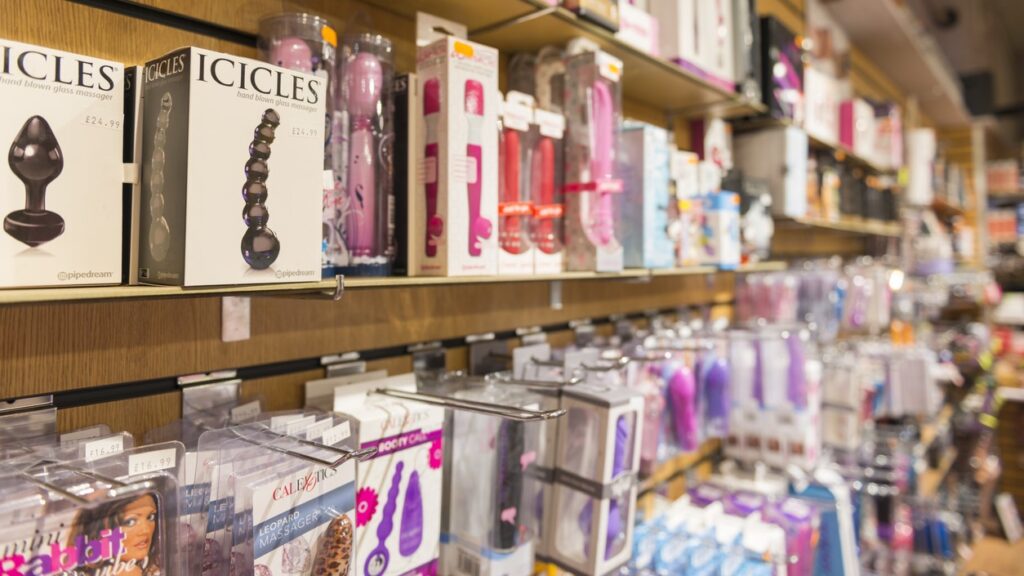
The study examined the private lives of Europeans and aimed to discover the frequency of sex toy ownership and use, as well as the factors behind these trends.
In spring 2022, researchers surveyed a sample of 11,944 participants aged 18 to 80 from Denmark, Sweden, Norway, Finland, France and the United Kingdom.
Danish online sex toy retailer Sinful ApS commissioned Danish market research company Radius to collect the data, which was analyzed by researchers at the University of Copenhagen.
Below is an overview of respondents’ demographics and lifestyle:
- Average age of participants: 42 years old.
- About half identified as both male and female and less than 1% identified as “other.”
- Most participants (77%) identified as heterosexual.
- The majority (50%) were in a relationship and lived with their partner.
- Nearly two-thirds of those surveyed had children, with 36% living at home.
- Only 3% say they have never had a sexual partner.
Researchers examined whether gender, age, sexual orientation, education level, parental status, number of sexual partners, and relationship status statistically predicted sex toy ownership.
The findings
More than half of those surveyed have adopted sex toys.
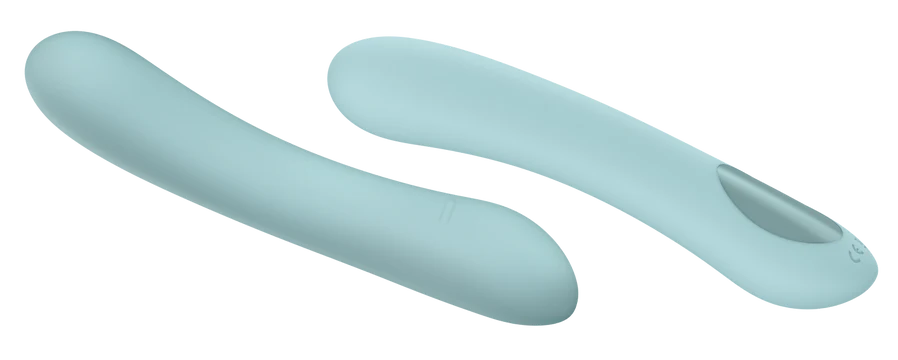
Dildos and vibrators were the most common products (50-60% of respondents), followed by cock rings, handcuffs, and anal sex toys (20-25% of respondents). In particular, education level had no influence on sex toy ownership.
Age and gender differences
Many factors influenced sex toy ownership and use, with age and gender showing the largest effects.
Women, younger people, and people with more sexual partners are more likely to own sex toys. However, when men own sex toys, they often own more than women.
Women also use sex toys more often alone, while men report using them more often with partners.
Sexual orientation
Heterosexuals and homosexuals have similar proportions of sex toys. However, bisexuals are more likely to own sex toys than gays and heterosexuals. Asexual people were the least likely to own sex toys compared to other sexual orientations.
When it came to the number of sex toys, heterosexuals owned the fewest compared to people identifying as gay, bisexual, or asexual. There were no significant differences between these latter groups.
Relationships and parental status
Having more sexual partners in life goes hand in hand with owning more sex toys. In contrast, singles who aren’t dating are less likely to own sex toys.
As for parental status, having children at home increases the likelihood of owning a sex toy. People with children were also more likely to own more sex toys, whether or not the children lived at home.
Just the tip of the dildo
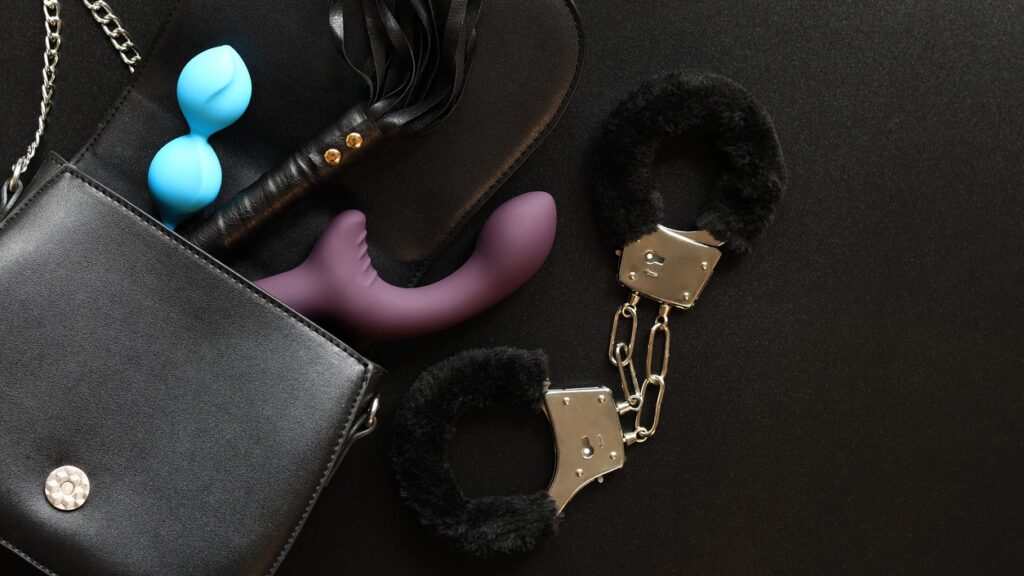
Many Europeans enjoy erotic enhancement products.
The study provides an overview of sex toy ownership and use in six countries and shows that most respondents own sex toys, particularly dildos and vibrators.
Age and gender were the best predictors of sex toy ownership and use. However, the researchers also revealed findings on sexual orientation, education level, number of sexual partners, as well as relationship and parental status.
Future articles in this series will discuss solo and partnered use, national trends, and the impact of sex toy use on sexual, relationship, and life satisfaction.
Stay tuned for more research into the world of sex toys.
This article was originally published on The Shaw.