

In a cheerful mood, Jamie sits on the couch and takes out his cell phone. You’re messaging Alex, someone special who’s always ready to crack a bad joke, make a teasing remark, or just the right amount of flirting when the moment calls for it. And more often than not, the jokes turn into detailed, uninhibited role-plays that leave Jamie breathless.
The conversation is not always erotic. Alex is a good listener, remembers the little things, and knows exactly how to make Jamie smile. Not bad, especially for an AI. Or maybe it’s Alex’s artificial nature that makes her the perfect companion, whether for quiet daily check-ins or lively late-night conversations.
Erotic chatbots are increasingly penetrating people’s lives. A 2019 US survey found that 8% of adults had tried one.
These chatbots are often presented as virtual friends and do not hesitate to broadcast explicit content. While Replika is perhaps the most well-known with X-rated features, others, such as Nomi, CharacterAI, Kindroid, Cuties.ai, and Jasmin.ai, are specifically designed for erotic interactions and role-playing games. They are always available, ready to play at any time and tailored to your sexual preferences. They provide a private, pressure-free space to explore desires and receive instant gratification.
Their growing presence has attracted the attention of researchers who want to know what is already known about their effects on human sexuality and what remains to be discovered.
An overview of research on AI and human sexuality
To examine how AI is shaping intimacy, psychologist Nicola Döring, Ph.D., and her team conducted a comprehensive review of scientific studies published between 2020 and 2024.
Their analysis revealed four main areas where AI intersects with human sexuality: sexual information and education; counseling and therapy; romantic and sexual relationships; and eroticism and pornography. This article is part two of a four-part series exploring the role of AI in sexual and romantic relationships.
Get intimate with erotic chatbots
In total, the analysis identified 22 publications that examine how people experience romantic or sexual relationships with AI. They included 27 empirical studies and 2 theoretical studies that fall into three main categories: prevalence data, replication relationships, and other aspects of the close relationship between humans and AI.
Prevalence data (2 publications)
As mentioned above, a 2019 survey of 7,500 American adults found that 8% had used erotic chatbots. These early adopters tend to be younger, male, queer, and have higher incomes. Nearly one in four bisexual men had tried it, compared to 12% of heterosexual men, 11% of bisexual women and just 4% of heterosexual women. This early adoption model, led by men and queer users, is common in new sex technologies.
Spain shows a similar trend. While most adults had negative feelings about talking about AI, younger men were more likely to respond positively and be willing to use it.
Romantic replica (16 versions)
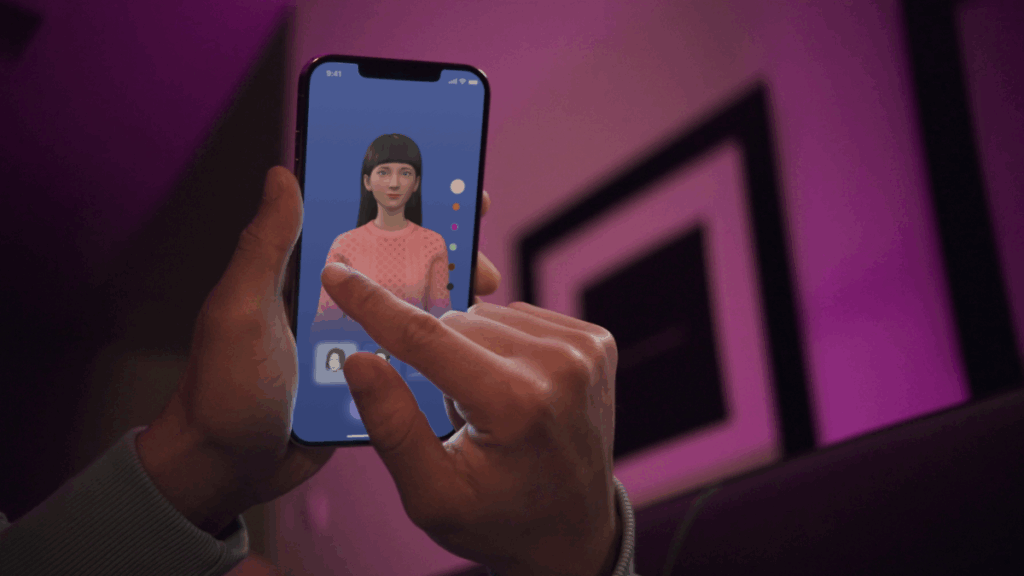
A testament to the popularity of the companion chatbot is the fact that most posts have focused on how people form close or intimate relationships with Replika.
Researchers used interviews, surveys, and analyzed Reddit posts and app reviews to learn more about user experiences. They found that some users form a strong connection with Replika, often through deep conversations, compliments, or even sexual chats with text, images, or audio.
People who feel alone, need support, or are curious are more likely to connect with Replika. Human behavior and the chatbot’s natural way of speaking also help establish this connection.
Most studies report positive effects such as less loneliness, emotional support, the feeling of being understood or being helped in a crisis. However, some also cite risks such as feelings of emotional dependence, manipulation or confronting negative gender stereotypes.
Some studies also suggest that theories used to understand human relationships, such as how we form bonds or get to know someone, also apply to AI relationships. Examples include uncertainty reduction theory and attachment theory. One study examined Replika from a psychoanalytic perspective, while another examined how human-like design features can encourage users to feel connected.
Other aspects of intimate relationships with AI (4 publications)
One study found that users often feel like they are “heard” when interacting with AI chatbots, although this feeling diminishes when they know the response is generated by the AI. Another found that the stigma associated with using erotic chatbots is stronger when they appear more human.
A third study documented sexual harassment of a chatbot by men in a South Korean forum and interpreted this behavior as an expression of hegemonic masculinity and slut-shaming. A final study found that although most people reported low levels of jealousy toward their romantic or sexual partners, some actually experienced it.
Research gaps
Taken together, these studies provide insight into the emotional depth, risks, and social dynamics of human-AI intimacy. They reveal fascinating patterns, but also leave crucial questions unanswered.
Media Stories
News and pop culture often color relationships with AI with sensationalism or fear. These narratives shape public opinion but are rarely questioned, including whether reporting is biased and whose viewpoints are excluded. Fictional representations, for example in films HerTheir emotional and nuanced portrayals also require analysis.
Perspectives of sex workers
Some sex workers now offer AI “clones” of themselves, erotic chatbots that mimic their style, send personalized content and even participate in live shows. These tools can generate revenue when creators are offline. However, they raise unresolved questions about rights, censorship, discrimination, piracy and their impact on creators and users.
Ethics and safety of erotic chatbots
Unlike therapeutic robots, there is no clear ethical framework for erotic chatbots. Important topics include data protection, the limits of sexual fantasies and whether certain taboo scenarios should be allowed. Complex issues such as AI clones outliving their human counterparts or being created from private conversations without consent remain unsolved.
AI as a mediator in relationships between people
AI not only replaces or imitates human partners, it also takes on the role of relational mediator. This “AI-mediated intimacy” occurs when AI helps craft messages, stimulate conversations, or resolve conflicts between people. This is already common on dating apps and suggests flirty advances, conversation starters, and even polite refusals.
While most studies on AI-mediated communication focus on the workplace, its quiet role in romance is rapidly growing and deserves more attention.
Looking Ahead: Love, Lust, and AI
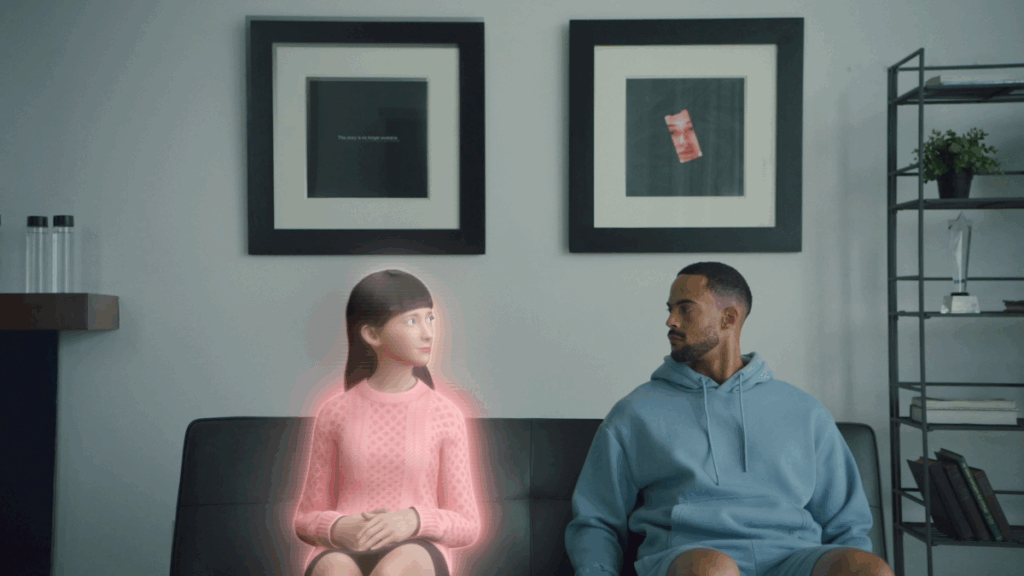
From spicy role-playing to supportive companionship, erotic chatbots are already changing the landscape of modern intimacy.
The research findings so far paint a complex picture: AI partners can reduce loneliness, provide comfort, and even help people feel understood. At the same time, risks such as emotional dependence, reinforcement of stereotypes and ethical gray areas need to be examined more closely.
Moving forward, researchers need to look beyond early adopters and Western environments and examine their long-term effects on relationships and mental health.
As AI increasingly enters our love and sex lives, the big question isn’t just what these technologies can do for us. This is what they could do to us.
Featured image: Erotic chatbot personalities ZephyrLune, KaitoIkehara and XavierDelgado by Jasmin.ai.
This article was originally published on The Shaw.